Uvea is the vascular middle coat of the eyeball
swelling of the uveal tissues by a group of
inflammatory diseases is called uveitis. It can also affect the anterior structures of the eye, lens,
retina, optic nerve, and vitreous, producing redness, photophobia, pain, reduced vision
or blindness. Uveitis usually occurs if there is an associated systemic inflammatory disease -
either an autoimmune disease or an infectious disease.
Therefore the uvea department treats their patients in close coordination with other
specialists in various branches of medicine such as rheumatologists, chest physicians,
infectious disease specialists, oncologists etc.
Common symptoms of uveitis include pain, redness, defective vision, floaters, and sensitivity
to light (photophobia) in one or both eyes.
Uveitis can be either:
• Anterior uveitis
• Intermediate uveitis
• Posterior uveitis
• Pan-uveitis.
Many cases of uveitis are chronic, and they can produce complications, including
clouding of the cornea, cataracts, elevated eye pressure (IOP), glaucoma, or retinal
detachment.
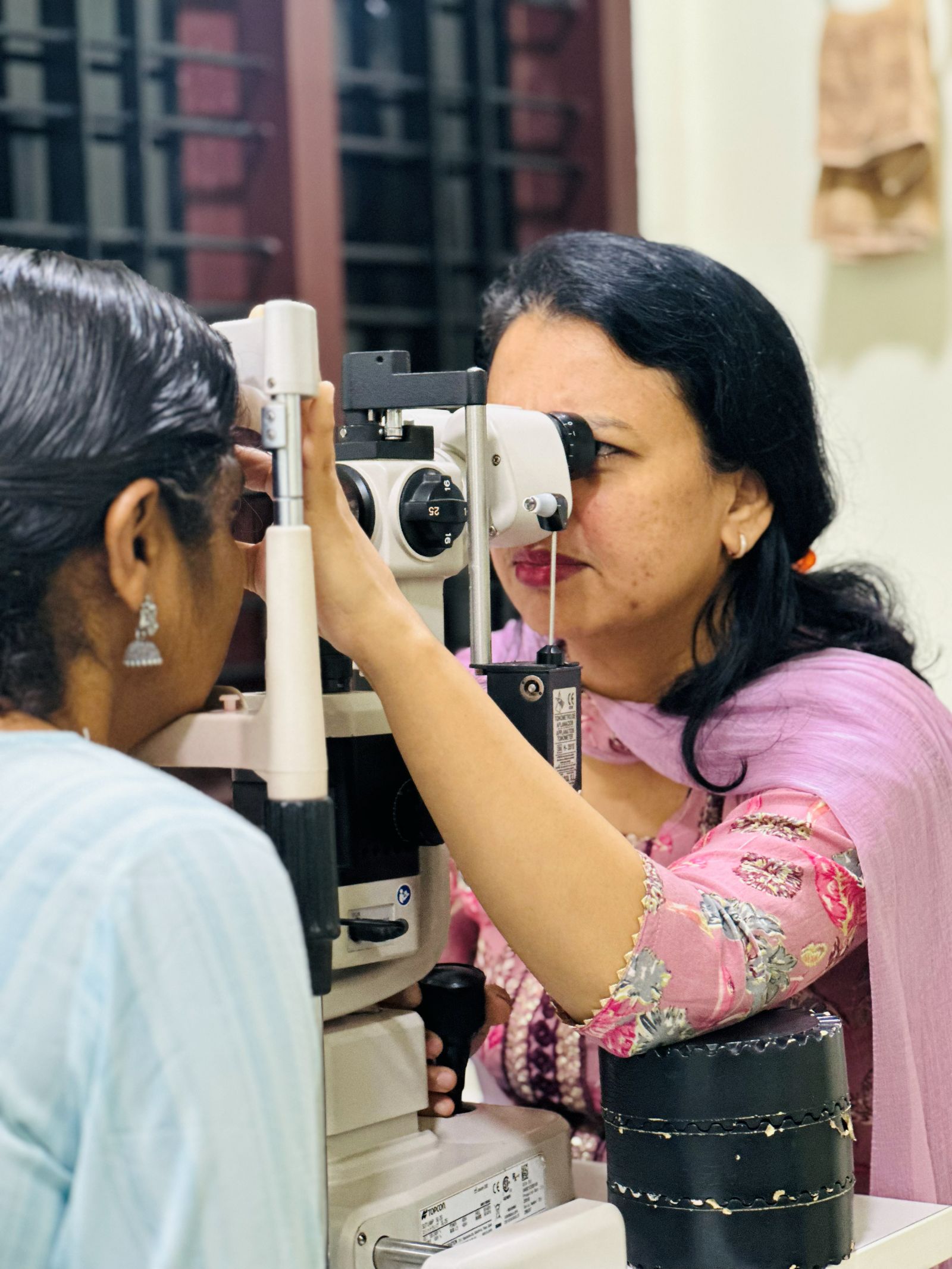
Its management depends on the cause and therefore we use advanced diagnostic
tools with expert care and collaborate with many other specialists to ensure that every
patient receives the best possible treatment for the specific cause.

Dr. Harshali Yadav
Spectacles for Refractive Errors
We provide prescription spectacles for all types of refractive errors, including myopia, hyperopia, and
astigmatism. This non-invasive solution enhances visual acuity and is essential for children's visual
development.
Low Vision Aids (LVA)
Optical and non-optical Low Vision Aids are available to support children with significant visual
impairment. These aids help maximise remaining vision and improve daily functioning, enhancing the
quality of life.
Surgical Correction for Strabismus
The surgical procedure corrects misalignment of the eyes (squint) to improve both cosmetic appearance
and binocular vision. It involves repositioning the eye muscles and has a high success rate.
Surgical Correction for Paediatric Cataract
This procedure involves removing the cloudy lens from a child's eye and replacing it with an artificial
intraocular lens. Early intervention is crucial for optimal visual outcomes and developmental progress.
Screening for Retinopathy of Prematurity (ROP)
We conduct comprehensive screening for ROP in premature infants, identifying and managing this
condition early to prevent vision loss and promote healthy eye development. It is conducted in association
with the Retina Clinic.
• Widefield Fundus Fluorescein Angiography (WF-FFA)
• Optical Coherence Tomography Angiography (OCTA)
• Ultrasonography
• Constellation vitrectomy system
• Appasamy slit lamp
• Retinal lasers (Green laser – Double frequency Nd YAG) with slit-lamp and indirect ophthalmoscopy delivery for treatment
• Tomey Specular microscope
• OCT- Cirrus 6000